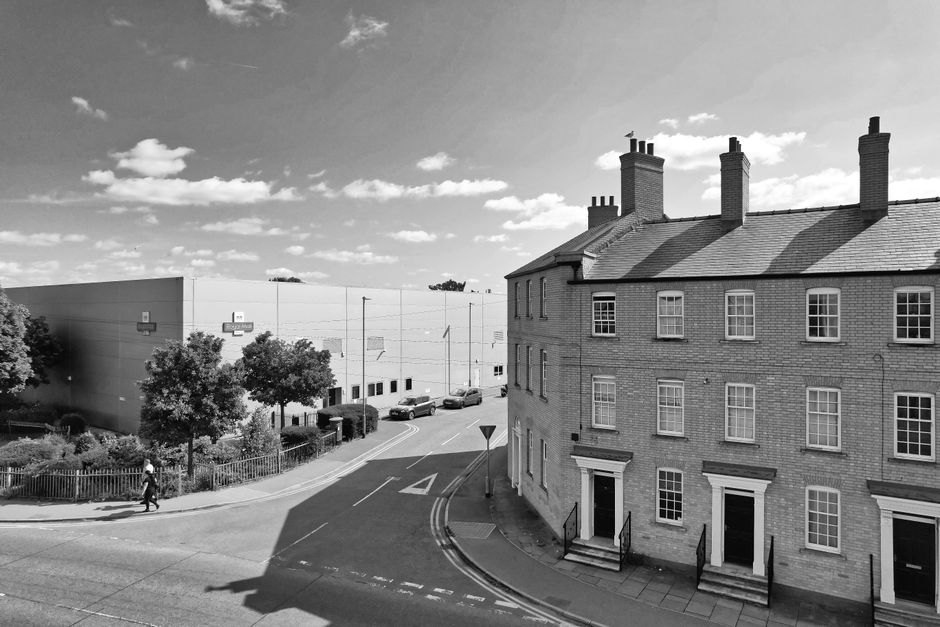
WD17 Narrow Street Removals Solutions in Watford: Practical Help for Tight Access Moves
If you are moving in WD17, chances are you already know the problem: the street looks fine on a quiet afternoon, but the second a van arrives, everything feels tighter. Parked cars, low branches, narrow turns, shared driveways, and that one awkward staircase can turn a straightforward move into a bit of a puzzle. That is exactly where WD17 narrow street removals solutions in Watford make a real difference.
This guide breaks down how narrow-access removals work, why they matter in Watford, and what you can do to make the day smoother. Whether you are moving from a flat near the town centre, a terrace with limited parking, or a home tucked off a busy road, the right approach can save time, reduce stress, and protect your belongings. Truth be told, a good move in a tight street is part planning, part patience, and part knowing when a smaller vehicle beats brute force every time.
Below, you will find practical steps, expert tips, common mistakes, and a useful comparison of moving options so you can choose with confidence.
- Why narrow street removals matter in WD17
- How the process works
- Benefits and practical advantages
- Who this is for
- Step-by-step guidance
- Expert tips for a smoother move
- Common mistakes to avoid
- Tools, resources and recommendations
- Law, compliance and best practice
- Options and comparison table
- Real-world example
- Practical checklist
- Conclusion
- Frequently asked questions
Why WD17 narrow street removals solutions in Watford Matters
Watford has plenty of streets where access is not exactly generous. In WD17, you may be dealing with older housing stock, busier residential roads, limited on-street parking, and corners that do not forgive a van that is just a little too large. So why does this matter so much? Because a move is rarely difficult because of the boxes alone. It is the access that causes delays, extra lifting, and the kind of awkward manoeuvres that make people mutter under their breath.
Narrow street removals solutions are designed to deal with those realities. They are not just "moving with a van," although a smaller man and van setup can often be the ideal starting point. The real value is in matching the vehicle, crew size, parking plan, loading method, and timing to the actual street conditions outside your door.
That matters for several reasons:
- It reduces the chance of damage to furniture, walls, kerbs, and vehicle bodywork.
- It helps avoid long carries from a distant parking spot, which can drain energy fast.
- It makes it easier to protect fragile items when the move involves multiple short lifts instead of one easy run.
- It supports better timing, especially when you need to work around traffic, neighbours, or building access rules.
There is also a calmness factor. When you know the plan fits the street, the whole day feels less chaotic. And let's face it, moves already have enough moving parts. You do not need the road itself becoming one of them.
How WD17 narrow street removals solutions in Watford Works
At a practical level, narrow street removals work by reducing friction at every step. The aim is to create a route from your property to the vehicle that is safe, short, and manageable. That may sound simple, but in a tight WD17 street, every metre counts.
A proper solution usually begins with access checking. This can mean looking at street width, parking restrictions, turning space, loading distance, doorway clearance, stair layout, and whether there is room to position a van without blocking neighbours or traffic. If the move involves a first-floor flat or a house with a tight hallway, the loading pattern matters just as much as the road outside.
In many cases, the best approach is to use a smaller vehicle rather than a large truck. A compact removal van or flexible man with van option can be easier to park, easier to reverse, and less stressful on narrow roads. That said, smaller does not automatically mean better. If you have a full house move, you may need multiple trips, a bigger crew, or even a mixed approach using a moving truck for the larger pieces and a smaller vehicle for the trickier access sections.
Here is the basic workflow that tends to work well:
- Check access and identify restrictions before moving day.
- Choose the right vehicle size for the street, not just the volume of items.
- Plan the parking position and carrying route.
- Pack and label items so the load order makes sense.
- Use protective wrapping for awkward or fragile items.
- Load in a way that reduces repeated lifting and wasted steps.
- Keep a backup plan in case the street is busier than expected.
Good movers do not just turn up and hope. They adapt. Sometimes that means arriving a little earlier, sometimes it means taking smaller loads, and sometimes it means asking the client to shift a car or hold a parking space in advance. Small adjustment, big difference.
Key Benefits and Practical Advantages
There are some clear advantages to using a narrow street removals solution rather than trying to force a standard move into a non-standard location.
| Benefit | What it means in practice | Why it helps in WD17 |
|---|---|---|
| Better vehicle fit | A van that can actually access the street and load area | Helps with tight turns, parked cars, and residential restrictions |
| Less handling stress | Shorter carries and fewer awkward lifts | Useful for flats, terraces, and homes with narrow entrances |
| Lower risk of damage | More controlled movement in and out of the property | Important where there is little room to swing large furniture |
| Time savings | Less wasted time circling for parking or repositioning | Especially helpful on busier Watford streets |
| More flexible planning | Ability to adapt to street conditions and timing constraints | Reduces stress where access can change through the day |
Another real advantage is decision-making clarity. Once you understand what the street can handle, the move becomes easier to organise. You know whether you need dismantling, whether the sofa will fit through the hallway, whether a second person is needed, and whether a same-day plan is realistic. If you are comparing service types, a broader removal services page can help frame the options, while more specific help like flat removals is often a better fit for upstairs or compact-access homes.
The biggest hidden benefit? Less mental load. There is something oddly reassuring about knowing the vehicle is not the wrong size for the road. That alone can take a lot of edge off moving day.
Who This Is For and When It Makes Sense
WD17 narrow street removals solutions in Watford are useful for a surprisingly wide group of people. If your home or destination has tricky access, this is probably for you.
It makes sense if you are:
- moving from a terraced house with limited parking outside
- leaving or entering a flat with narrow shared corridors or stairwells
- dealing with a cul-de-sac, one-way road, or a street with tight turning space
- moving furniture from a property with no direct driveway access
- doing a student move with more boxes than space
- managing a small business relocation in a compact town-centre location
- moving large or delicate items that need careful handling, such as a piano or heavy wardrobe
It also suits anyone who wants the move done with less disruption. Maybe you work odd hours, maybe neighbours are sensitive about blockages, or maybe you just do not fancy a stressful Saturday of double-parking and improvising. Fair enough. Most people do not.
There is a practical line here too: if access is straightforward, you may not need anything special. But if even one part of the move feels awkward, it is better to plan for it than hope it sorts itself out on the day. Usually it does not.
For example, a small household with two bedrooms but a narrow front access may benefit more from careful planning than a larger home with a driveway. It is not only about volume. It is about geometry, timing, and the route between point A and point B.
Step-by-Step Guidance
If you want the move to go smoothly, break it into stages. Narrow streets reward preparation. Not glamorous, but true.
1. Assess the access honestly
Walk from the property to the street and look at the route as if you were carrying a bulky wardrobe or a boxed-up TV. Is there room to turn? Are there steps? A low wall? A narrow gate? Honest assessment prevents unrealistic planning. In our experience, people often underestimate the doorway rather than the street.
2. Measure key items
You do not need a tape measure for everything, but you should know the size of the largest furniture pieces. Sofas, beds, bookcases, desks, and appliances deserve special attention. If something may need dismantling, plan for it early rather than half an hour before load-out. That is how stress sneaks in.
3. Choose the right moving setup
A compact van, a two-person crew, or a more flexible removal service may be better than a large rigid vehicle. If the access is extremely tight, a man with a van arrangement can be practical for smaller moves or part-load situations. For larger family moves, a proper planning conversation is usually the smarter route.
4. Reserve parking or loading space where possible
Local parking rules matter. If you can arrange a space close to the property, even temporarily, it can save a surprising amount of time and lifting. Sometimes this means speaking to neighbours or planning around the quietest time of day. A polite heads-up goes a long way.
5. Pack in a way that suits the route
Heavy items should be boxed or wrapped sensibly. Label boxes by room so unloading is quick. Put the first things you need at the destination somewhere easy to reach. Nobody wants to hunt for kettle leads and toiletries while standing in a hallway full of boxes.
6. Load logically
Heavier items go in first, lighter and fragile items are protected, and the load should be stable. If access is limited, the loading order matters even more because repeated re-shuffling wastes time and increases risk. A bit of structure here saves a lot of faff later.
7. Keep a backup plan
What if another car is in the way? What if rain makes the carry slower? What if a sofa needs to come apart at the last minute? A decent plan always has a fallback. Not dramatic, just sensible.
Expert Tips for Better Results
Here is where a little local know-how pays off. A narrow street move in Watford is rarely about one giant breakthrough. It is about a few smart choices that add up.
- Book for the quietest workable time. Early starts can help, especially where traffic and parking pressure build later in the day.
- Keep hallways clear. Shoes, coats, bins, plants, anything loose. Remove them before the team arrives. Every obstacle slows the flow.
- Use blankets, covers, and straps properly. Tight access means tighter turning, so furniture protection matters more than usual.
- Do not overfill boxes. A box that is too heavy becomes awkward on narrow stairs and awkward equals slow.
- Let the movers know about special items. Fridges, pianos, antique cabinets, mirrors, and gym equipment all need extra consideration.
- Consider dismantling bulky furniture. A small amount of disassembly can save a lot of wrestling at the doorway.
One small but important tip: keep your essentials bag separate and visible. It sounds obvious. Then moving day arrives, the door is open, everyone is carrying something, and suddenly the tea bags vanish into the abyss. Happens more often than people admit.
Also, if the move is in damp or drizzly weather, which does happen in the UK with very little warning, protect the floor and the item surfaces. A slick pavement plus a tight carry is not a combination anyone needs.
Common Mistakes to Avoid
Most problems on narrow street moves are preventable. The trouble is, they often seem minor until they are right in front of you.
- Choosing a vehicle based only on volume. A van can be too large for the road even if it has enough space inside.
- Ignoring walking distance. A parking spot two streets away changes the whole pace of the day.
- Forgetting about stair width and turns. The item may fit the room but not the route.
- Leaving packing too late. Rushed packing creates weak boxes and poor load balance.
- Not warning neighbours or building management. That can lead to unnecessary friction, especially in shared spaces.
- Assuming everything will be obvious on the day. It often is not. Clear instructions help.
People sometimes think the main challenge is lifting heavy things. Sometimes yes, but often the real issue is movement efficiency. Too many short delays, too many repositionings, and the day starts to feel endless. Keep it simple where you can.
And please, if a piece of furniture looks like it needs two people to move it, it probably does. Pride is not a good lifting technique.
Tools, Resources and Recommendations
You do not need a warehouse full of gear to manage a narrow street move well, but a few tools and services can make life much easier.
- Furniture blankets and covers: Good for protecting wood, glass, and painted surfaces through tight passages.
- Removal straps and trolleys: Useful for moving heavier items more safely over short distances.
- Strong cardboard boxes: Better than mixed flimsy boxes that buckle at the worst moment.
- Labels and colour coding: Simple, but incredibly helpful when unloading quickly into the right rooms.
- Packing support: If time is tight, consider packing and unpacking services or at least structured packing help.
- Temporary storage: If access, timing, or property handover dates do not line up neatly, storage can take pressure off the day.
For larger domestic moves, it may also help to look at broader home moves support or, where the move is more compact, student removals services. If you are shifting furniture only, a focused furniture removals or furniture pick-up service may be the cleaner fit.
One practical recommendation: make a simple access note for the move. Include gate width, floor number, parking restrictions, any sharp corners, and whether there are lifts or steps. A small note can prevent a lot of back-and-forth on the day.
Law, Compliance, Standards, or Best Practice
When narrow streets are involved, moving is not only about logistics. It also touches on parking, access, safety, and property care. You do not need to be a legal expert to handle this well, but you should work within sensible UK standards and local expectations.
In practice, good compliance usually means:
- respecting parking restrictions and loading rules
- keeping pavements and access routes as clear as possible
- avoiding damage to public or private property
- using safe lifting techniques and suitable equipment
- making sure fragile or heavy items are handled by enough people
If a move involves shared buildings, it is also wise to check any building rules about lift use, moving hours, or protective coverings for communal areas. These rules can be annoyingly specific, but they exist for a reason. No one likes a scratched wall in the stairwell the morning after a move.
Insurance and safety are worth checking before you book. A reliable provider should be able to explain how they approach handling, transit protection, and loss or damage processes. You can review the company's insurance and safety information alongside the health and safety policy if you want a fuller picture of how care is handled. That extra minute of checking can save a lot of worry later.
For any service provider, clear terms matter too. If you want to understand expectations around booking, timing, and service conditions, the terms and conditions page is worth reading before moving day. Annoying, perhaps, but useful. Very useful.
Options, Methods, or Comparison Table
Different moves call for different approaches. Here is a straightforward comparison to help you think it through.
| Option | Best for | Pros | Trade-offs |
|---|---|---|---|
| Small van with helper | Light to medium moves, tight streets, part-loads | Easier parking, flexible access, often efficient in WD17 | May require more trips for larger loads |
| Two-person removal team | Flats, stairs, awkward furniture, busy schedules | Better handling, faster load speed, less strain | Usually costs more than a solo setup |
| Full removal service | House moves, larger families, higher item volume | More comprehensive support and planning | Can be more than you need for a simple access issue |
| Storage plus staged move | Delayed completion dates, limited access, downsizing | Reduces pressure on move day and spacing issues | Requires extra coordination and budget |
If you are still unsure, think about the bottleneck rather than the item count. Is the problem the road, the staircase, the parking, or the volume? That answer usually points you toward the right option.
For businesses and workspaces, the same logic applies. A compact office on a tight street may do better with office removals or office relocation services designed around access and minimal downtime. A small home move and a small office move are not identical, but they do share one thing: if access is awkward, precision wins.
Case Study or Real-World Example
Imagine a two-bedroom flat in WD17 with a narrow road outside, parking on both sides, and a first-floor layout reached by a shared stairwell. Nothing dramatic. Just enough to be annoying.
The move begins with a pre-check. The team confirms that a full-size truck would struggle to stop close enough without blocking access, so they choose a smaller van. One person handles the loading plan while another keeps an eye on the parking window and the stair route. Large furniture is dismantled where possible, boxed items are colour-coded by room, and fragile kitchen items are wrapped separately.
On moving morning, a neighbour's car takes one of the intended spaces, so the vehicle is parked a bit further down the street. Not ideal, but manageable. Because the items are already prepared for shorter carries, the delay is minor rather than disastrous. The staircase is narrow, yes, but the hall is kept clear and the bulky items are taken one at a time. No drama, no damage, no frantic reshuffling.
What made the difference? Not magic. Just matching the moving method to the street conditions and preparing for a slightly imperfect day. That is the whole game with narrow access, really. Plan for reality, not the clean version in your head.
Practical Checklist
Use this checklist before your move day. It is simple, but it catches the usual trouble spots.
- Measure the largest furniture pieces and check doorway widths
- Confirm whether the street can take a larger vehicle or needs a compact van
- Look up parking restrictions and loading limitations
- Tell the movers about stairs, lifts, narrow corridors, or awkward turns
- Pack heavier items into smaller, safer boxes
- Label boxes clearly by room and priority
- Protect fragile items with proper wrapping
- Separate essentials so they stay easy to reach
- Arrange access details with neighbours or building management if needed
- Read the service terms, insurance details, and safety information before booking
Expert summary: The best narrow street move is usually the one that looks a little boring on paper. A sensible van, a clear route, smart packing, and one backup plan will beat last-minute improvisation almost every time.
Conclusion
WD17 narrow street removals solutions in Watford are about more than squeezing a van into a small space. They are about fitting the move to the street, the property, and the day itself. When access is tight, the right vehicle, the right packing approach, and the right timing can make the difference between a stressful scramble and a smooth, manageable move.
If you take one thing from this guide, let it be this: plan for the access first. Once that is sorted, almost everything else becomes easier. And if you are unsure whether your move needs a compact van, a fuller service, or a bit of staging support, start with a proper conversation and a clear look at the route.
Get a free quote today and see how much you can save.
Sometimes the smartest move is simply choosing the option that respects the street you actually have, not the one you wish you had. That little bit of realism can go a long way.
Frequently Asked Questions
What does WD17 narrow street removals solutions in Watford actually mean?
It means choosing a moving method that works well in streets with limited access, tight parking, narrow turns, or smaller vehicle space in the WD17 area of Watford. The focus is on practical access planning, safe loading, and the right vehicle size.
Is a small van always better for narrow street removals?
Not always. A small van is often easier to park and manoeuvre, but the best option depends on how much you are moving, how far the carry is, and whether the move would need several trips. Sometimes a slightly larger vehicle with a better plan is more efficient.
How do I know if my street is too narrow for a removal van?
Look at parking width, turning space, parked cars, and whether a van could stop close enough to your property without causing problems. If you are unsure, describe the street layout in detail when requesting a quote. A proper provider should be able to advise based on access, not just item count.
Can narrow street removals help with flats as well as houses?
Yes, absolutely. Flats often create an access challenge through shared stairwells, limited parking, and longer carrying distances. A good flat move in a narrow street usually needs careful planning just as much as a house move does.
Do I need to dismantle furniture before the move?
Sometimes. If a sofa, bed frame, wardrobe, or large desk is awkward to carry through a narrow hallway or stairwell, dismantling can make the move safer and faster. You do not need to take everything apart, only the pieces that genuinely benefit from it.
How can I make narrow street moving day less stressful?
Prepare early, pack sensibly, keep access routes clear, and give the movers accurate details about the street and the property. Little things help too, like labelling boxes clearly and setting aside essentials. It is the boring stuff that tends to save the day.
Are narrow street moves more expensive?
They can be, depending on the access difficulty, the time needed, and whether extra handling or a smaller vehicle is required. That said, a well-planned narrow street move can also be very efficient. Costs vary, so it is sensible to ask for a clear quote based on the actual access conditions.
What should I tell the removal team before moving day?
Tell them about the street width, parking limitations, stairs, lifts, heavy items, fragile items, and any time restrictions. If there is anything slightly awkward, mention it. Nothing is too small to mention if it could affect the move.
What happens if parking is blocked on the day?
A good team will adapt, but it may slow the move and increase the carrying distance. This is why backup planning matters. If possible, have a second parking option in mind or let neighbours know in advance where relevant.
Is insurance important for narrow access moves?
Yes. Tight spaces increase the chance of knocks and scrapes if items are not handled carefully. Checking a provider's insurance and safety information gives reassurance that the move is being managed properly.
Can narrow street removals work for office moves too?
Yes. Small offices, studios, and shopfronts on narrow roads can benefit from the same approach: smaller vehicles, careful timing, and a clear loading plan. Office moves often need even tighter coordination because downtime matters.
Should I use storage if my move dates do not line up?
If completion dates, access dates, or parking arrangements do not align neatly, storage can be a practical bridge. It is especially helpful if you want to move in stages rather than forcing everything into one difficult day.