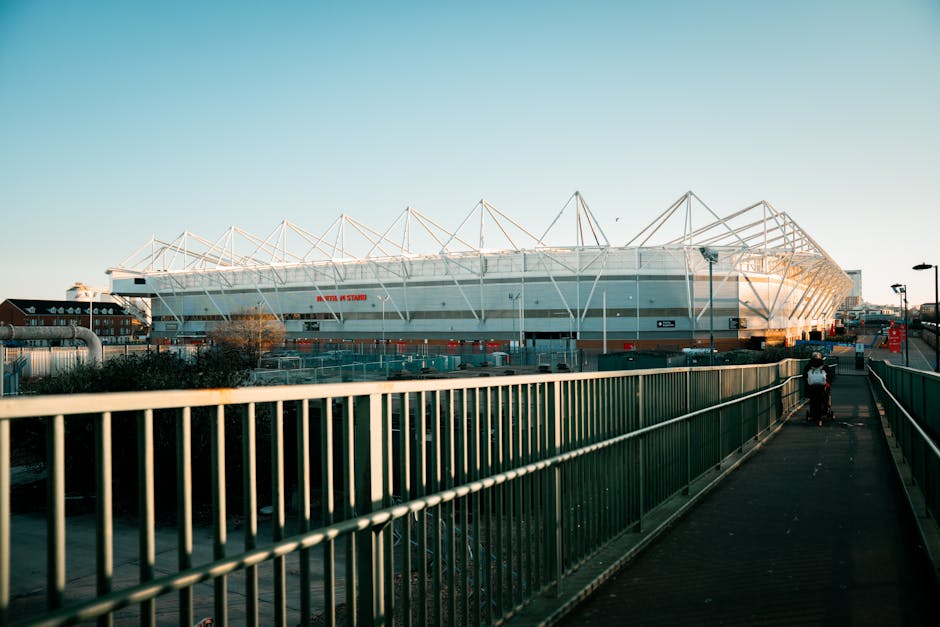
Vicarage Road stadium move logistics for Watford removals
Moving near a busy football stadium is never quite the same as moving down a quiet residential street. With Vicarage Road, timing, access, traffic flow, parking, and loading space can all shape the day as much as the boxes themselves. If you are planning a move in this part of Watford, or helping a business, flat, or household navigate match-day pressure, the logistics matter. A lot.
This guide breaks down Vicarage Road stadium move logistics for Watford removals in a practical, no-nonsense way. You will see how the moving process changes around stadium traffic, which arrangements save the most stress, and what to prepare before the van arrives. It is written for people who want the move done properly, not just done quickly.
To make the planning side easier, it also covers relevant services such as professional removals, man and van help, and packing and boxes support where those fit the job. Simple enough. But useful? Very.
- How stadium-side access affects your move
- What to do before the removal team arrives
- Ways to avoid delays, parking issues, and wasted trips
- Which service type suits different move sizes
- Best practices for safety, timing, and packing
Table of Contents
- Why Vicarage Road stadium move logistics for Watford removals Matters
- How Vicarage Road stadium move logistics for Watford removals Works
- Key Benefits and Practical Advantages
- Who This Is For and When It Makes Sense
- Step-by-Step Guidance
- Expert Tips for Better Results
- Common Mistakes to Avoid
- Tools, Resources and Recommendations
- Law, Compliance, Standards, or Best Practice
- Options, Methods, or Comparison Table
- Case Study or Real-World Example
- Practical Checklist
- Conclusion
- Frequently Asked Questions
Why Vicarage Road stadium move logistics for Watford removals Matters
Stadium-adjacent moves ask for a different mindset. Vicarage Road can bring tighter parking, busier roads on match days, pedestrians crossing unpredictably, and a general sense that the area is always one event away from becoming awkward. If you ignore that, even a small move can turn into a long, frustrating afternoon.
For households, the main issue is usually access. A removal van might need to stop further away than expected, which means longer carries and more time spent moving furniture by hand or trolley. For businesses and landlords, the issue is schedule pressure. Deliveries, tenancy handovers, and end-of-day move windows can all collide with local traffic patterns. To be fair, it is not just about distance; it is about rhythm. Stadium streets have their own rhythm.
That is why good planning around local removals in Watford is so important. It reduces the chance of missed slots, unsafe lifting in congested areas, or that lovely moment when someone realises the van cannot fit where they thought it would. Nobody wants that.
There is also a customer-experience angle. If you are moving out of a flat, a rented property, or a small office near the ground, a smooth schedule protects deposits, work continuity, and your sanity. A bit dramatic? Maybe. But only a bit.
How Vicarage Road stadium move logistics for Watford removals Works
At its simplest, the logistics are about matching the move plan to the local conditions. That means checking access, setting the right arrival time, choosing the right vehicle size, and preparing the property so loading can happen in one clean sequence rather than in a series of awkward back-and-forth trips.
In practice, a good removal plan around Vicarage Road usually looks like this:
- Assess access - Check whether the property is on a narrow road, near restricted parking, or likely to be affected by event traffic.
- Choose the transport method - A removal van may suit smaller loads, while a moving truck works better for larger households or office contents.
- Set a realistic time window - Early starts often help. So does avoiding peak match-day periods, school runs, and the obvious Monday-morning rush.
- Pack for fast loading - Boxes need to be labelled clearly and furniture should be broken down where possible.
- Plan for holding space - If the building is awkward or the van cannot park directly outside, load order matters a lot.
- Keep the move flexible - A small delay can happen. The better the plan, the less it matters.
The real trick is understanding that stadium logistics are dynamic. One hour can feel calm and the next one can feel busy, noisy, and full of people heading in different directions. Good movers will adjust on the fly, but only if the job has been planned properly beforehand.
If you are moving a whole house, the details get bigger: lifting routes, stair turns, sofa dimensions, fragile items, and who is going to be available at each end. This is where experienced house removals support can make a surprising difference.
Key Benefits and Practical Advantages
When the logistics are handled well, the benefits are not abstract. You feel them on the day.
- Less waiting around - A well-timed move reduces the risk of van idle time and avoidable charges.
- Safer lifting - Fewer rushed carries and less pressure in crowded spaces.
- Better property protection - Careful route planning helps reduce knocks to walls, door frames, and shared hallways.
- More predictable costs - If access is clear and the schedule is tight, jobs are less likely to overrun.
- Lower stress - Which, honestly, is half the battle.
There is also a practical advantage for those moving from smaller homes or studio spaces. In those cases, a well-organised man with a van arrangement can be quicker and more efficient than booking a larger vehicle that is hard to place near the stadium area.
For commercial customers, the advantage is continuity. If a shop, office, or service space near Vicarage Road needs relocating, good coordination means fewer interruptions and a cleaner handover. That is particularly useful if you are working with office removals or broader commercial moves.
Who This Is For and When It Makes Sense
This kind of planning is useful for more people than you might think. It is not only for major house moves. In fact, some of the trickiest jobs are the smaller ones because people assume they will be easy. That is when the sneaky delays appear.
- Home movers near the stadium, especially if the road is narrow or parking is tight
- Flat movers with shared entrances, stairs, or limited loading access
- Students moving at the start or end of term, when the area is already busy
- Small businesses shifting stock, desks, files, or fixtures
- Landlords and letting agents coordinating end-of-tenancy clearances
- People needing storage if the new property is not ready yet
It also makes sense if you are moving on a day when the local roads may be disrupted by events, deliveries, or general traffic pressure. A move that looks straightforward on paper can become fiddly once you add spectators, road congestion, and a van that needs proper loading space.
For one-bedroom flats or smaller loads, flat removals are often the most practical fit. If you are between homes, using storage for a short period can take the heat out of the timetable. A very underrated option, that one.
Step-by-Step Guidance
If you want the move to feel controlled instead of chaotic, follow a sequence rather than improvising. Improvisation sounds brave. It usually costs time.
1) Survey the access before the booking is final
Look at the entrance, pavement width, stair access, and any obvious parking restrictions. If your building has a service entrance or rear loading point, note it. If not, say so early. The more honest the access details, the smoother the day.
2) Match the vehicle to the load
Do not overbook a huge vehicle if you only have a few items, but do not underbook either. An undersized van near a busy stadium road can mean multiple runs, which is the opposite of efficient. A sensible middle ground is often best.
3) Prepare the property
Disassemble beds where possible, empty wardrobes, coil cables, and clear hallways. Put screws and fittings into a labelled bag. Put that bag somewhere safe, not "somewhere near the kettle". We have all seen how that ends.
4) Protect fragile and awkward items
Wrap mirrors, glass shelves, artwork, and lamps separately. If you need specialist handling, it is worth considering furniture removals or, for more delicate upright items, piano removals.
5) Load in the right order
Heavier pieces should go in first, with fragile boxes and lightweight items secured last. The objective is not just to fit everything in. It is to make sure it arrives intact and can be unloaded without a puzzle-solving session.
6) Keep communication simple
On the day, one contact person should be responsible for decisions. That avoids crossed wires, especially if the move involves a landlord, office manager, or family member calling the shots from three different places.
7) Leave a little breathing room
Even with perfect planning, small delays happen. A key not being ready, a lift being busy, a road being tighter than expected. Allowing a margin means those moments stay minor.
Expert Tips for Better Results
Here are the things that tend to make the biggest difference in real jobs. Nothing flashy. Just the details that save time and headaches.
- Book earlier than you think if the move falls near a match day, weekend, or school holiday.
- Keep essentials separate - chargers, documents, medication, kettle items, keys, and snacks.
- Use clear labels on every box, ideally by room and priority.
- Take photos of furniture before dismantling it. This helps with reassembly later.
- Tell neighbours or building staff if loading may affect the entrance.
- Have a backup plan for parking or short-term waiting if the road is unexpectedly busy.
If you are moving out of a top-floor flat, a few extra minutes spent on packing and stair planning can save a lot of heavy breathing later on. Let's face it, nobody wants to carry a wardrobe up and down the stairs more than once.
For bigger or more commercial jobs, consider whether a broader removal services package is more efficient than piecing things together yourself. Sometimes a fuller service is simply the calmer choice.
Common Mistakes to Avoid
Most moving problems near stadium areas are predictable. That is the slightly annoying part. They are predictable, which means avoidable.
- Ignoring event-day traffic and assuming "it will be fine"
- Booking a vehicle without checking access and then discovering it cannot stop where needed
- Packing too loosely, which makes loading slower and less safe
- Leaving furniture assembled when it should be broken down first
- Forgetting building rules about lifts, moving hours, or protective coverings
- Not telling the removal team about awkward items like oversized mirrors, safes, or delicate instruments
- Underestimating how long unloading takes at the other end
A common one is overconfidence about parking. People often say, "there's usually a space outside." Usually is not the same as definitely, and on a busy day that gap matters a lot. Better to plan for the worst realistic case than the best imaginary one.
Another mistake is missing the value of proper packing materials. A few sturdy boxes and the right wrapping can save far more money and stress than a last-minute replacement item. Small detail, big effect.
Tools, Resources and Recommendations
You do not need a huge toolkit, but a few practical items make life easier. Most of this is common sense, which is often the best sort of moving advice.
- Strong tape and labels for box identification
- Marker pens to note room names and fragile items
- Furniture blankets and wraps for protective loading
- Trolleys or sack trucks for heavier boxes and appliances
- Tool kit for dismantling beds, shelves, and table legs
- Phone notes with access codes, contact names, and move-day timings
For people who want help with the packing stage, packing and unpacking services can be a sensible investment, especially if time is tight. If you are keeping costs under control, a smaller option like man with van support may be enough for the load, while larger relocations may suit a dedicated truck and crew.
If you want to compare your options in a more structured way, it is also worth reviewing pricing and quotes and checking insurance and safety details before you commit. Calm now saves hassle later.
Law, Compliance, Standards, or Best Practice
For most domestic moves, the key compliance issues are practical rather than legal drama. Still, they matter. Good moving practice in the UK normally includes safe lifting, sensible vehicle loading, respect for access arrangements, and care with shared or public spaces.
If a move involves a building with managed access, it is sensible to follow the property rules on booking lifts, using service entrances, or protecting floors and walls. If the move is commercial, the expectations become higher: risk awareness, clear allocation of responsibility, and minimal disruption to neighbouring businesses.
Where safety is concerned, a reliable removals provider should be able to explain how items are handled, how loads are secured, and what happens if access is difficult. If that information feels vague, ask more questions. A decent company will not mind.
You should also expect sensible handling of payment details and personal information. If you are comparing providers, check that their customer process is clear, and that terms are understandable. Policies such as terms and conditions and privacy policy should be straightforward, not a maze.
For sustainability-minded moves, it is also reasonable to ask about reuse and disposal planning. Furniture that does not need to travel should not travel. That sounds obvious, but a lot of moves still carry more than they need to. A good recycling and sustainability approach can reduce waste and unnecessary mileage.
Options, Methods, or Comparison Table
Different move sizes need different methods. The best choice depends on access, volume, urgency, and how much help you want on the day.
| Option | Best for | Strengths | Trade-offs |
|---|---|---|---|
| Man and van | Small flats, single-room moves, quick local jobs | Flexible, usually efficient, good for tight access | May not suit large households or bulky loads |
| Removal van | Medium-sized home moves and mixed contents | Good balance of capacity and manoeuvrability | May still need careful planning for larger furniture |
| Moving truck | Large homes, offices, bigger loads | More capacity, fewer trips, better for full relocations | Harder to place in very tight stadium-side access |
| Storage-first approach | Moves with date gaps or refurb delays | Reduces pressure and keeps the schedule flexible | Adds an extra step and may not suit urgent delivery |
If you are not sure which route suits your move, the best clue is usually the access, not just the item count. A smaller vehicle can outperform a bigger one if the road is awkward. That is a bit counterintuitive, but very true in stadium areas.
Case Study or Real-World Example
Here is a realistic example, drawn from the kind of situation that comes up often.
A couple moving from a two-bedroom flat a short distance from Vicarage Road thought the job would take half a day. They had a sofa, bed frames, several boxes of books, kitchenware, and a few awkward pieces like a mirror and a small table. The first problem was parking. The second was timing: the original planned slot was close to a busier period, which meant extra foot traffic and less stopping space than they had expected.
The fix was simple enough, but only because the move had been planned with flexibility. The van arrived earlier, the boxes were labelled by room, the bed frames were already dismantled, and the heaviest items were moved first while the street was quieter. The team used a short carry route from the entrance rather than trying to force a van position that was never going to work. No drama, no repeated shuffling, no last-minute panic.
By the end, what could have become a long, messy move was finished cleanly. Not magically. Just properly. And that is usually the difference.
Practical Checklist
Use this before move day. It is a simple list, but it catches a lot of hidden issues.
- Confirm move date, time, and access plan
- Check whether match-day or event traffic could affect the route
- Measure large items and doorways if needed
- Book the right vehicle size
- Label boxes by room and priority
- Disassemble bulky furniture in advance
- Pack fragile items with extra protection
- Keep valuables and documents separate
- Notify the building manager or landlord if required
- Prepare payment, keys, and contact details
- Set aside snacks, water, and charger cables
- Arrange storage if the new place is not ready yet
And one more thing: do a final walk-through before the van leaves. Cupboards, lofts, behind doors, under beds. It is always the last little shelf or drawer that gets forgotten, isn't it?
Get a free quote today and see how much you can save.
Conclusion
Vicarage Road stadium move logistics for Watford removals are really about one thing: making the move fit the place, rather than forcing the place to fit the move. Once you understand access, timing, load size, and local traffic patterns, the whole process becomes much easier to manage.
Whether you are moving a flat, a family home, a student room, or an office space, the best results usually come from clear planning, realistic expectations, and the right type of removal support. A good move feels calm because somebody has already done the thinking.
If you are preparing for a move near the stadium, take the time to map out the tricky bits early. That little bit of care can save a lot of heavy lifting later. And honestly, it makes the day feel much more human.
Frequently Asked Questions
What makes moving near Vicarage Road different from a normal Watford removal?
The main difference is access and timing. Stadium roads can be busier, parking can be tighter, and pedestrian movement can change quickly depending on the day. That means the move plan needs a bit more flexibility than a standard residential removal.
Should I avoid moving on a match day?
If you can, yes. Match-day traffic can affect parking, loading, and travel times. Sometimes it is unavoidable, but if you have a choice, moving outside the busiest periods usually makes the day smoother and less stressful.
Is a man and van service enough for a flat near the stadium?
Often it is. For smaller flats or lighter loads, a man and van arrangement can be a practical choice because it is flexible and easier to position in tighter spaces. Larger homes may need a bigger vehicle.
How far in advance should I book a move in this area?
As early as you reasonably can, especially if your move is near a weekend, school holiday, or sporting event. Early booking gives you more choice over timing and vehicle size, which helps a lot near busier roads.
Can I use storage if there is a gap between move-out and move-in dates?
Yes, and in some cases it is the cleanest solution. Storage can reduce pressure if keys are delayed, renovation work runs over, or your new property is not ready yet.
What if the van cannot park directly outside my property?
Then the team will need to plan for a longer carry route. That is not unusual near busy stadium areas. Clear access details upfront help the movers bring the right equipment and allow enough time.
Do I need to dismantle furniture before the removal team arrives?
It helps a lot, especially for beds, shelving, and large tables. If you are short on time, ask whether the service includes help with dismantling or reassembly. That can save a surprising amount of effort.
What should I do with fragile or valuable items?
Pack them separately, label them clearly, and keep them with you if possible. For very delicate pieces, specialist handling such as piano removals or more careful furniture wrapping may be the safer route.
How do I know whether I need a removal van or a moving truck?
The best clue is the volume of items and the access around your property. A removal van works well for medium moves and tighter streets, while a moving truck is better for bigger loads. If in doubt, ask for an assessment before booking.
Are office moves near Vicarage Road handled differently from house moves?
Yes. Office relocations often involve documents, equipment, and a need to minimise disruption. They also tend to need firmer time control. If that sounds like your situation, office relocation services are worth considering.
How can I keep costs down without cutting corners?
Pack properly, reduce unnecessary items, book the right-sized vehicle, and avoid last-minute changes. Comparing options through pricing and quotes can also help you choose a service that fits the move rather than overpaying for capacity you will not use.
What is the biggest mistake people make with stadium-side removals?
Assuming the road will behave like a normal road. It often does not. Traffic, parking, and loading can all shift during the day, so the more realistic the plan, the better the result.
Who should I contact if I want a safer, more organised move?
If you want help with packing, lifting, transport, and timing, a trusted local removals provider is the obvious place to start. You can also look into removals support that suits your property type and schedule.